DMI & Active Movement
Dynamic Postural Control
Purposeful, guided movement helps tamariki explore alignment, transitions, balance, and active control in ways that feel achievable and motivating.
FlowMotion™ at Kia Kaha
An energetic, compassionate neuro-habilitation framework in Christchurch that uses purposeful movement, sensory feedback, and repetition to help tamariki unlock their potential.
What is FlowMotion™?
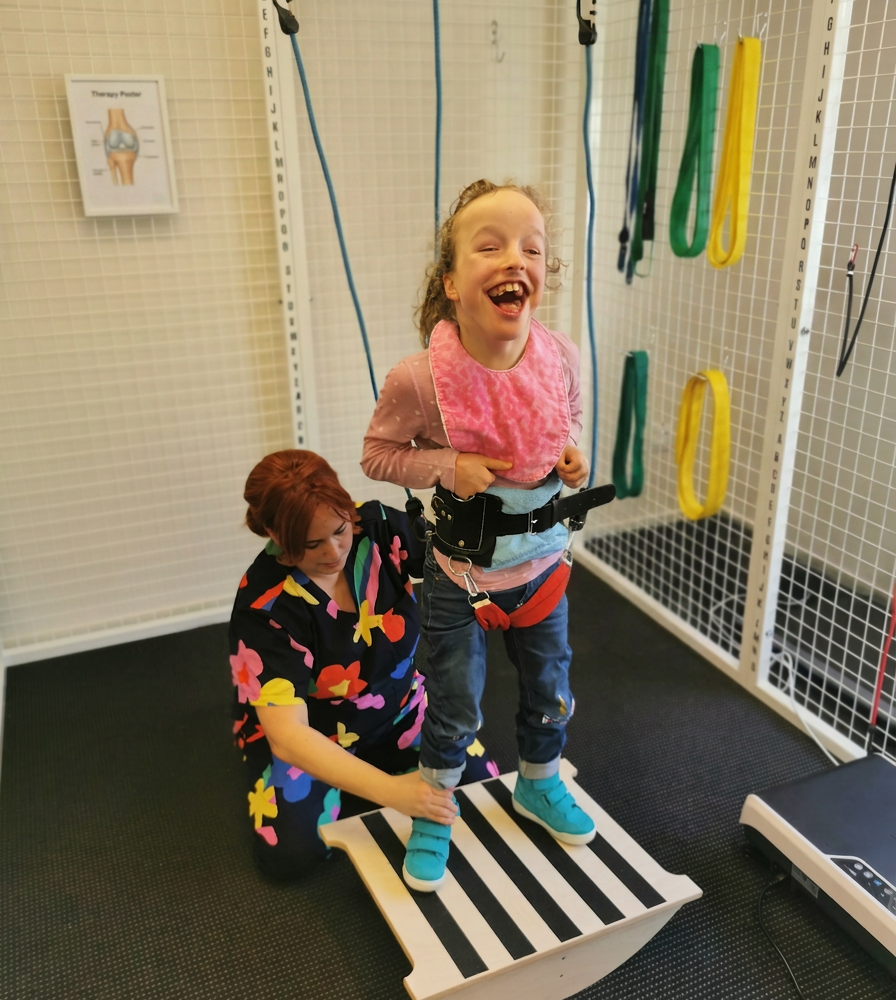
FlowMotion™ is Kia Kaha's active sensory-motor framework for building confidence, coordination, and everyday independence. Through joyful movement, targeted facilitation, and meaningful repetition, each session creates opportunities for tamariki to practise, adapt, and strengthen the neural pathways that support how they move through the world.
Two core modality pillars
DMI & Active Movement
Purposeful, guided movement helps tamariki explore alignment, transitions, balance, and active control in ways that feel achievable and motivating.
Spider Cage
Dynamic suspension creates a supported space to practise weight shift, balance reactions, stepping, and confident movement with freedom to try again.
Session formats
45 minutes
Individualised sessions pair targeted movement practice with practical coaching, so whānau can recognise progress and carry supportive strategies into daily life.
2–3 tamariki
Small, encouraging groups bring peer motivation, rhythm, and shared celebration to purposeful movement practice.
Conductor training through the renowned András Pető tradition is a comprehensive, multi-year university qualification that unites neuro-development, motor learning, sensory integration, and educational pedagogy into a single discipline. Rather than dividing a child's day among fragmented appointments, our practice views posture, intentional movement, and communication as a unified whole.
Intentional movement and speech share identical neural foundations. When tamariki experience speech, language, or oral-motor delays alongside movement challenges, we bridge the gap through direct collaboration with qualified Speech-Language Specialists.
Collaborative Goal Setting: An external Speech-Language Specialist is engaged to assess communication needs and establish functional communication systems (including augmentative and alternative communication — AAC, communication boards, or oral-motor cues)
Daily Active Immersion: Rather than limiting practice to an isolated weekly visit, our Pető-trained conductors seamlessly weave the child's specific communication framework directly into daily FlowMotion™ task series and group movement.
Progressive Review: As the child achieves their functional communication milestones, we re-engage the Speech-Language Specialist to assess progress, calibrate progress markers, and introduce progressive new communication horizons.
Our conductors observe how posture and equipment affect active movement. Orthotic assessment and prescription is provided by qualified podiatrists and orthotists, and we work alongside them so that goals are practised in sessions. We help whānau practise using positioning and standing equipment recommended by their health professionals.
Excellence in Conductive Education — Grounded in the Pető Institute tradition, delivered with objective precision and deep respect for every tamariki.
Start a FlowMotion™ referral or register your interest with Kia Kaha Neuro-Habilitation Foundation.
Our Foundation
FlowMotion™ is built on the world-renowned foundation of Conductive Education, developed at the András Pető Faculty of Semmelweis University in Budapest. Rather than treating physical movement as a passive exercise, Conductive Education views movement as an active learning process. We believe that motor differences are not fixed limits, but dynamic learning pathways waiting to be unlocked.
Ready to explore our neuro-motor learning programmes?
Start an Initial IntakePractice Leadership
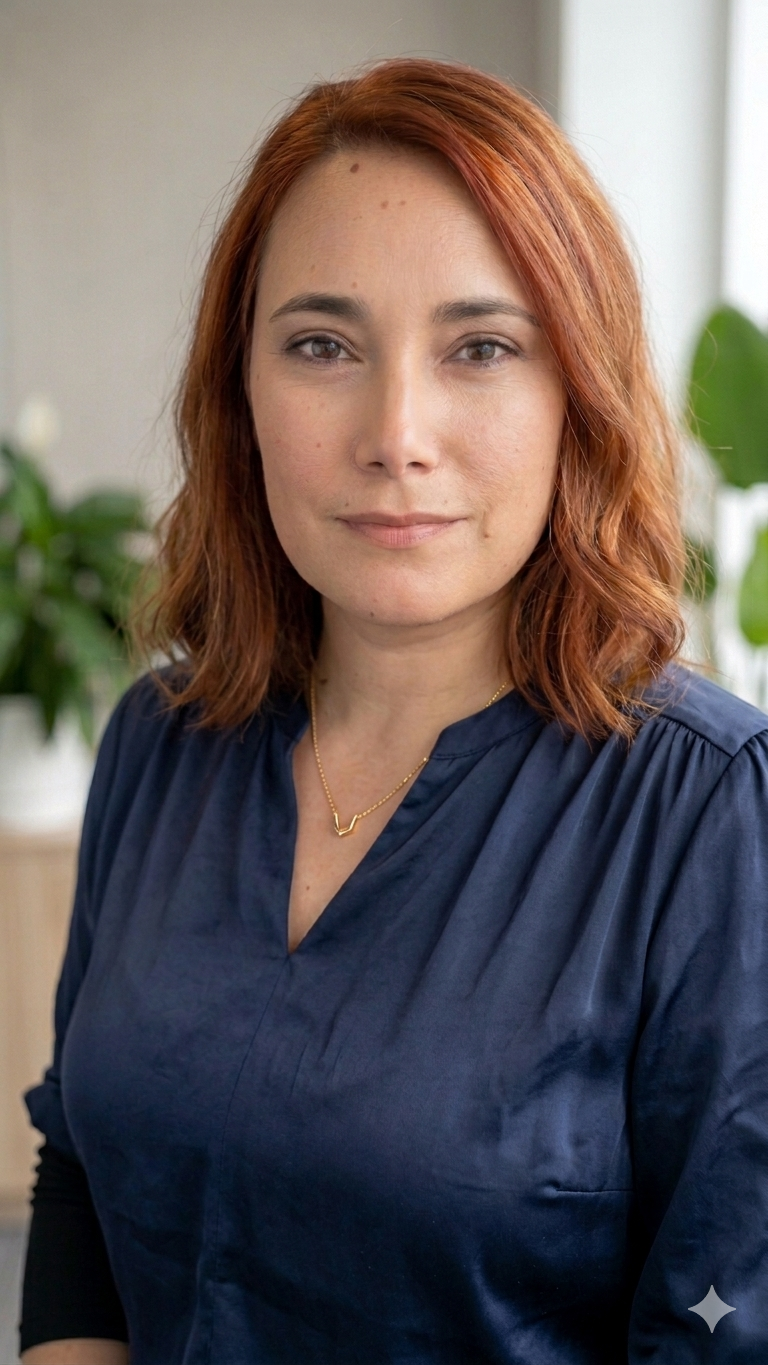
Photo: Dora Molnar
Conductor-Teacher (diploma, 2005), András Pető Institute of Conductive Education and Conductor-Teacher Training College, Budapest | Supporting Canterbury tamariki and whānau since 2008
Dora qualified as a conductor-teacher at the András Pető Institute in Budapest in 2005 and has supported Canterbury tamariki and whānau since 2008.
Her practice is grounded in Conductive Education—a holistic educational discipline that approaches movement not as isolated training, but as an active learning journey integrated into everyday play, classroom environments, and functional routines. Having supported Canterbury tamariki since [year]—including seven years embedded at Addington Te Kura Taumatua and over a decade with Conductive Education Canterbury—Dora works in close partnership with whānau, educators, and support teams to cultivate each child's self-belief and practical mobility.
Currently advancing her postgraduate studies at the University of Canterbury, she continually weaves modern movement science into purposeful, joyful learning experiences while keeping whānau at the absolute centre of the journey.
Further training: Dynamic Movement Intervention (DMI) Introductory Levels A and B (2024–25); Task-Specific Electrical Stimulation (TASES) courses with Electric Stimulation Education (2024); Prechtl General Movement Assessment Basic Training Course, GM Trust, Auckland (2022).